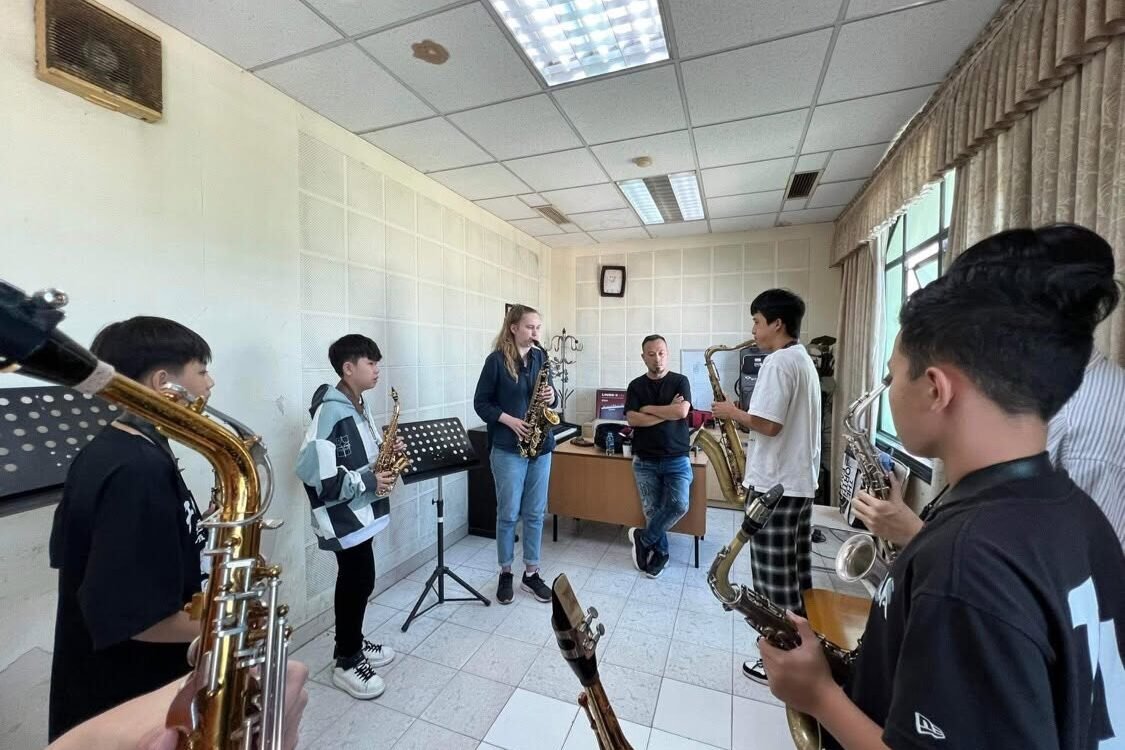
MSax – A saxophone training center in Hanoi
MSax – a saxophone training center at 39 Hào Nam, Hanoi: learning paths from beginner to advanced, one-to-one lessons and a weekly Sunday online class, directed by Lê Duy Mạnh, MMus.
Notes from the profession, how to work on your breath, and what to know before choosing a first saxophone.
MSax – a saxophone training center at 39 Hào Nam, Hanoi: learning paths from beginner to advanced, one-to-one lessons and a weekly Sunday online class, directed by Lê Duy Mạnh, MMus.
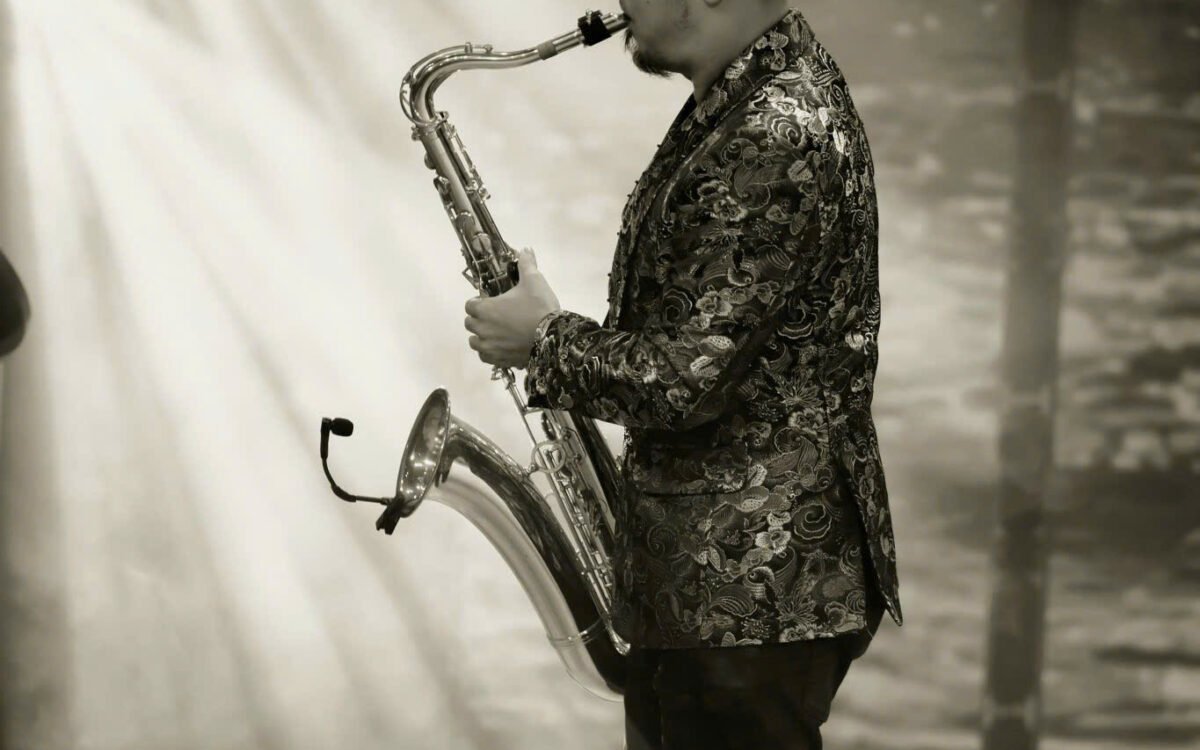
Want to learn the saxophone in Hanoi but cannot read music and have never held a horn? That is a normal place to start — here is the order to do things in.
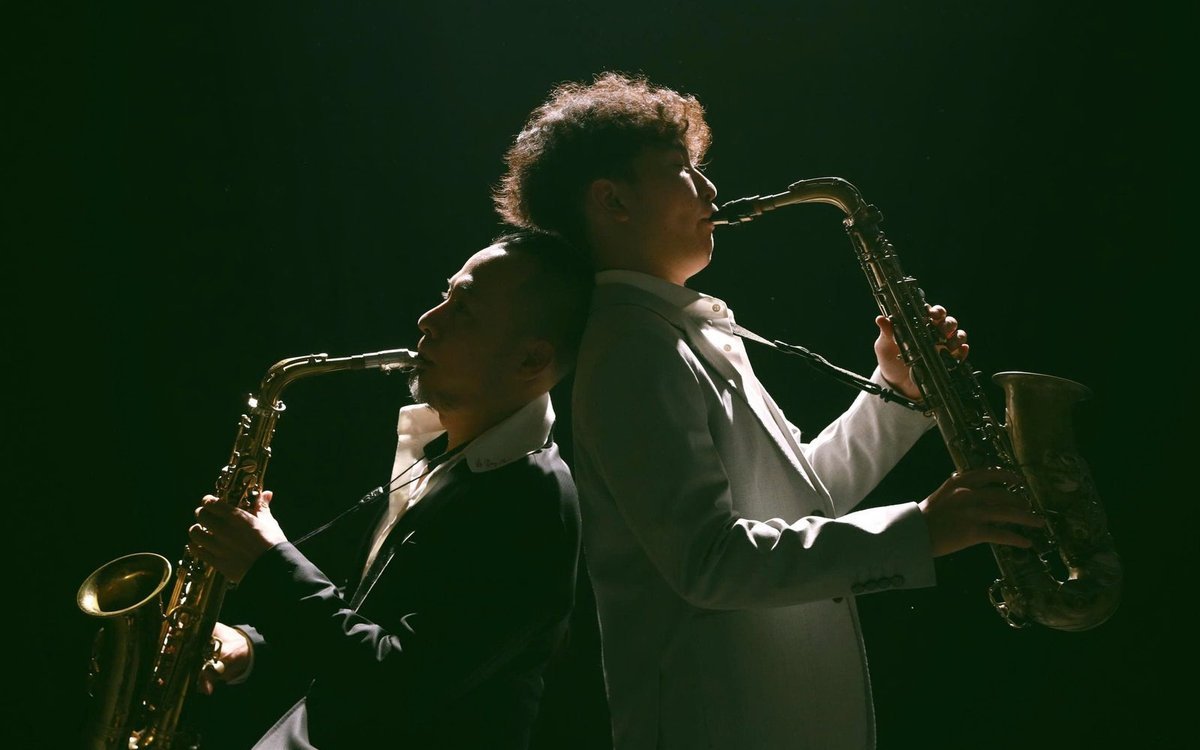
Cleaning a saxophone after each session, each week and each year: keeping moisture from rotting pads and dulling the plating — the habits that keep a horn for years.
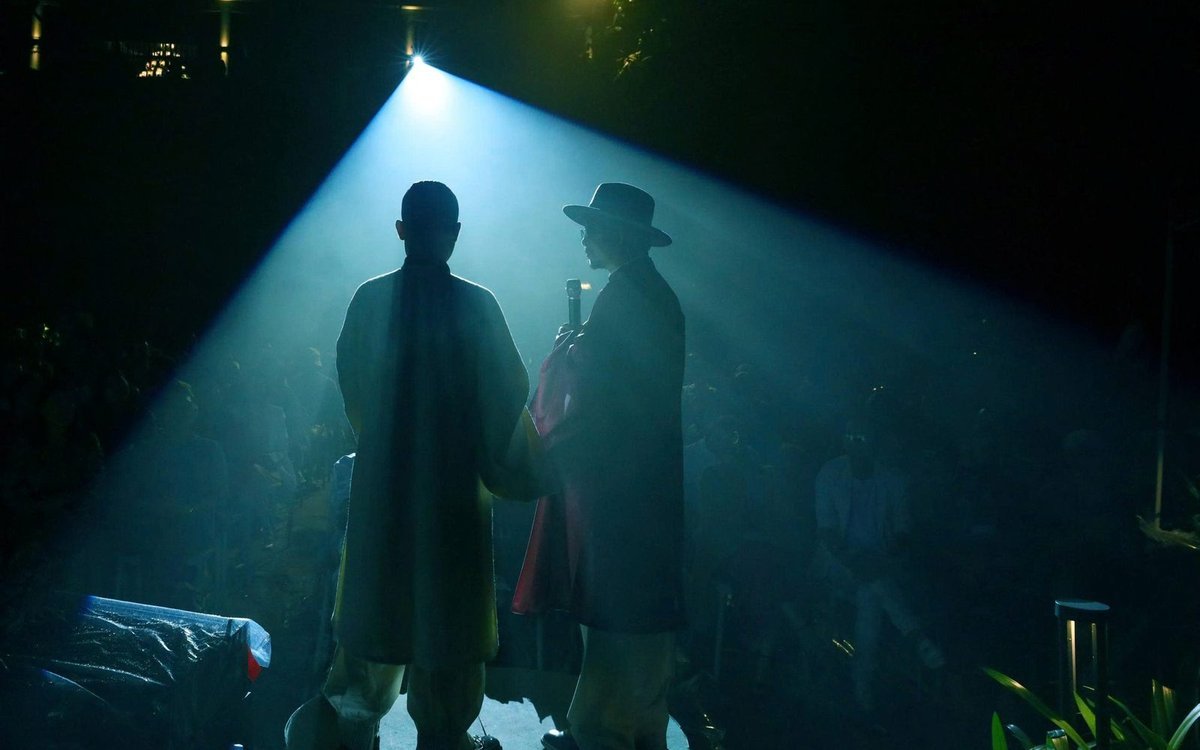
A checklist for organisers hiring a saxophonist: power, sound, where he stands, lighting, and the small things venues forget.
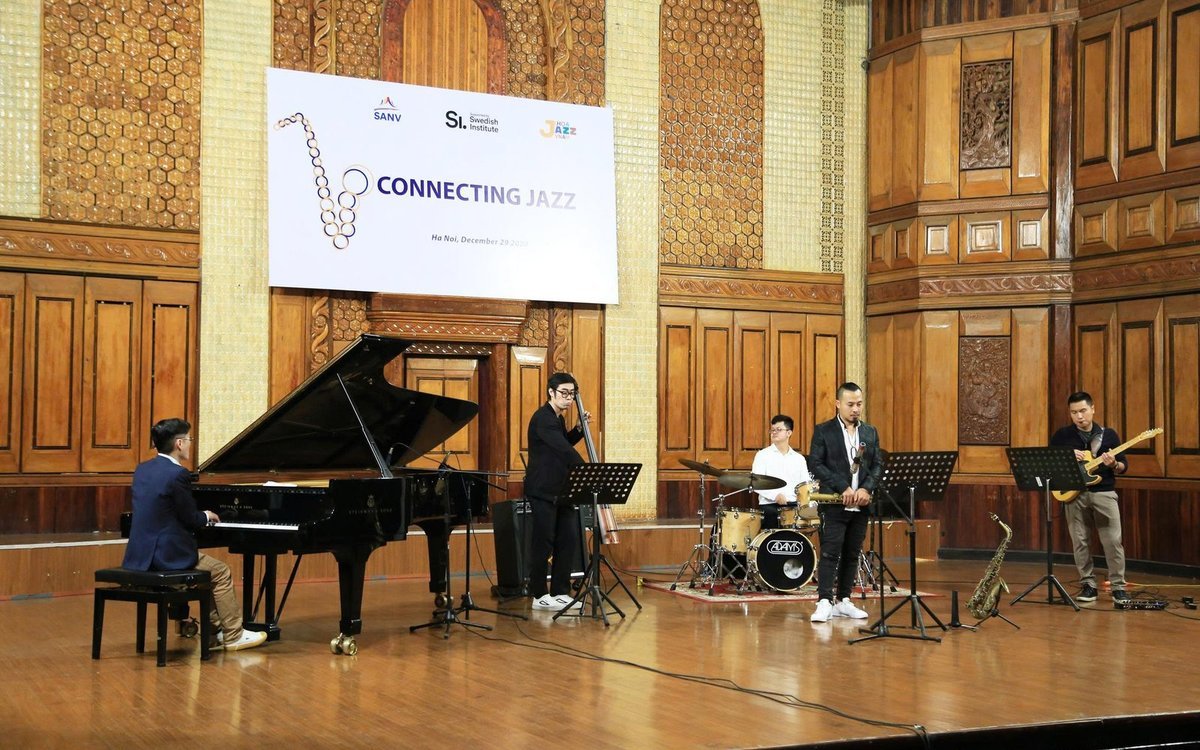
Where to place a saxophonist in a gala running order so the value of live music is not wasted — notes for corporate event organisers.

What you play matters less than when you play it: choosing saxophone music for a wedding, phase by phase — arrival, ceremony and dinner.
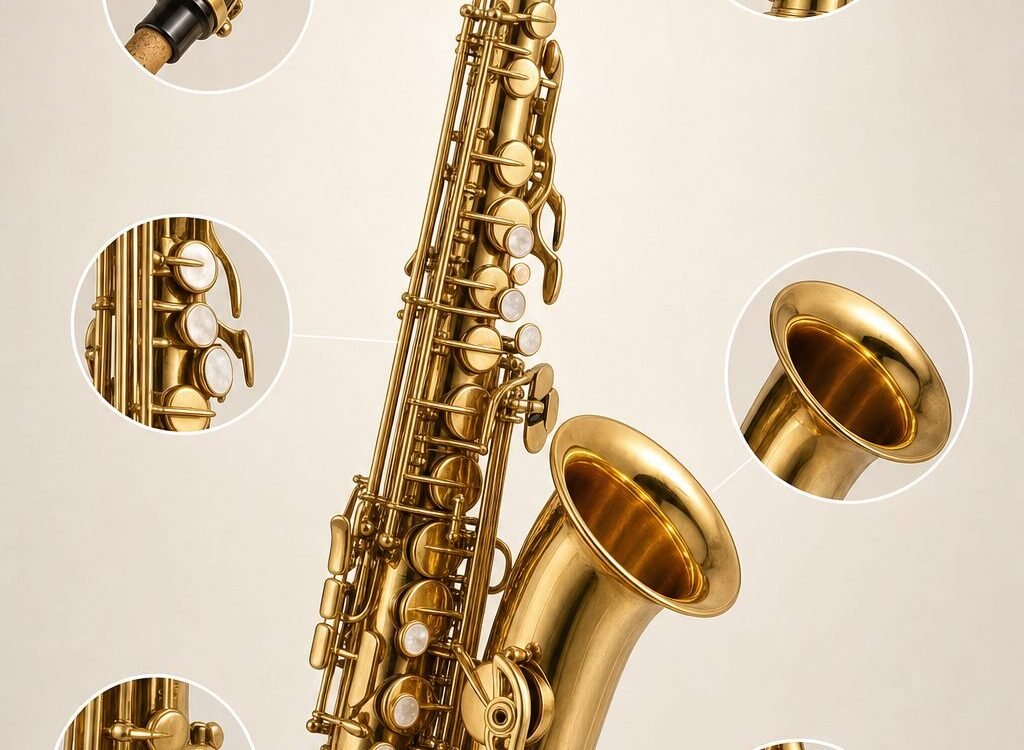
Learned the right way, music teaches a child to listen, to wait, to keep to a routine and to express what they feel — a teacher’s view on music and character.
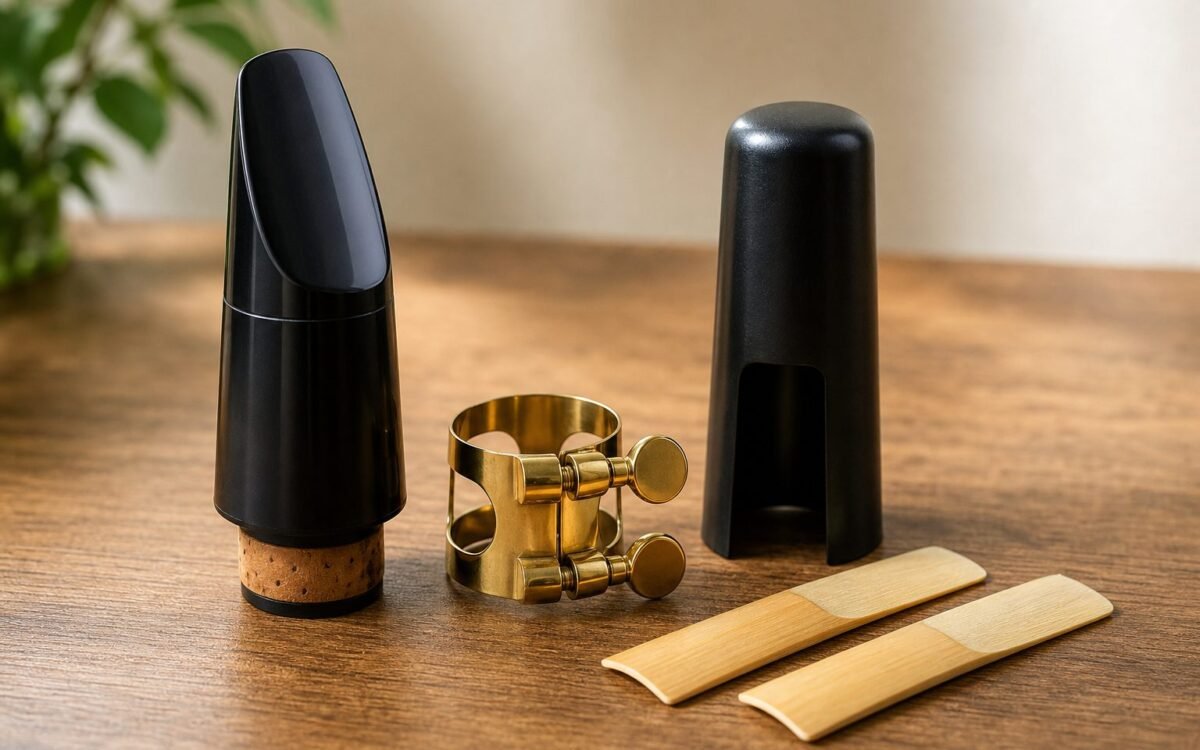
How to choose a reed and mouthpiece as a beginner: which strength to start from, when to change, and the guesswork purchase that leaves your tone choked.

From the French horn to the saxophone, from a master’s degree to teaching jazz saxophone at the Vietnam National Academy of Music — the professional road of Lê Duy Mạnh.

Saxophone for high-end weddings, gala dinners, corporate events and international programmes. Lê Duy Mạnh builds a musical running order for each individual event.
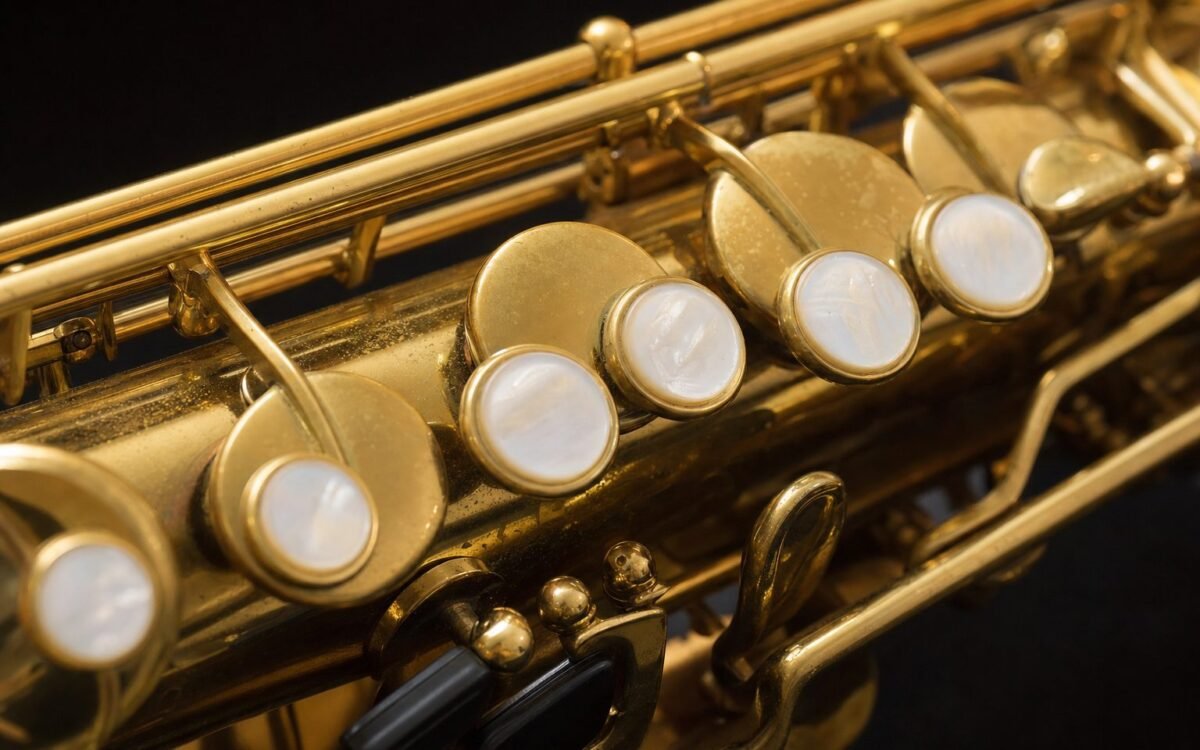
The first seven fingerings on the saxophone, with how to fit a reed, adjust the strap, and the basic habits to have in place before you play a single note.

Fingering charts, reading and transposing for Eb and Bb saxophones, plus embouchure, breath support, articulation and vibrato — a reference for players at any level.

Can you teach yourself the saxophone at home? An honest answer from a teacher: what you can learn alone, the two things you almost cannot, and the hybrid route that saves a year of guessing.
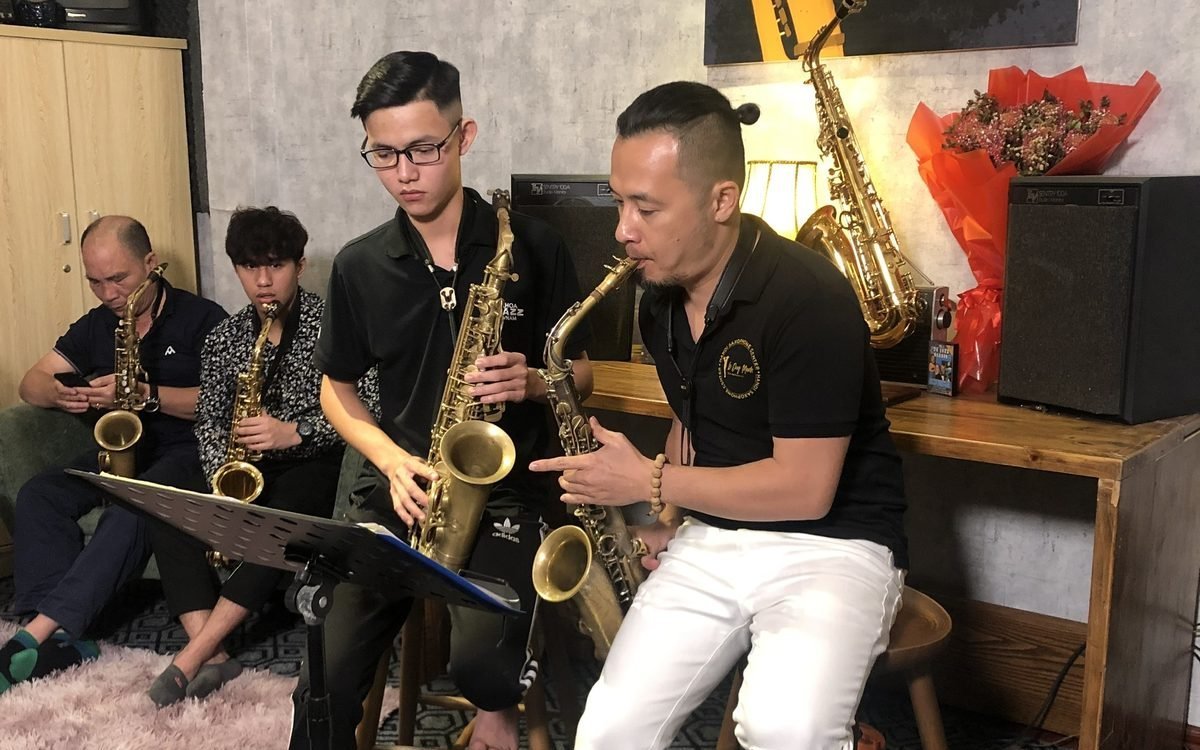
Want to learn the saxophone in Hanoi? How to choose a class, what to prepare for the first lesson, borrowing versus buying a horn, and why Hào Nam is the street to know.
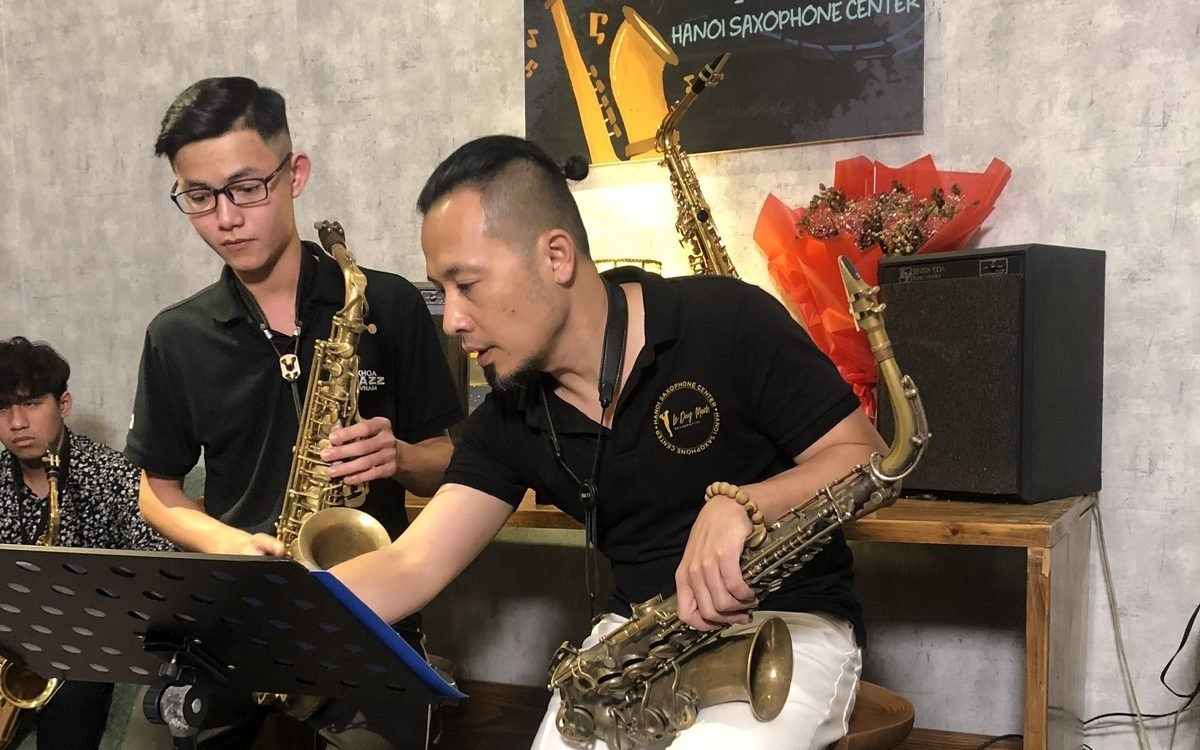
How long does it take to learn the saxophone? A realistic stage-by-stage timeline — from the first weeks on embouchure to playing with a voice of your own in year two.

What does a complete beginner need to learn saxophone? A week-by-week map of the first three months, from the first lesson to your first complete piece.

Alto, tenor or soprano — which saxophone should a beginner start on? A comparison by build, by the music you love and by budget, from teaching more than 300 students.

The five most common saxophone breathing mistakes — the ones that make your tone thin, choked and quick to tire — and the exercise that fixes each one.
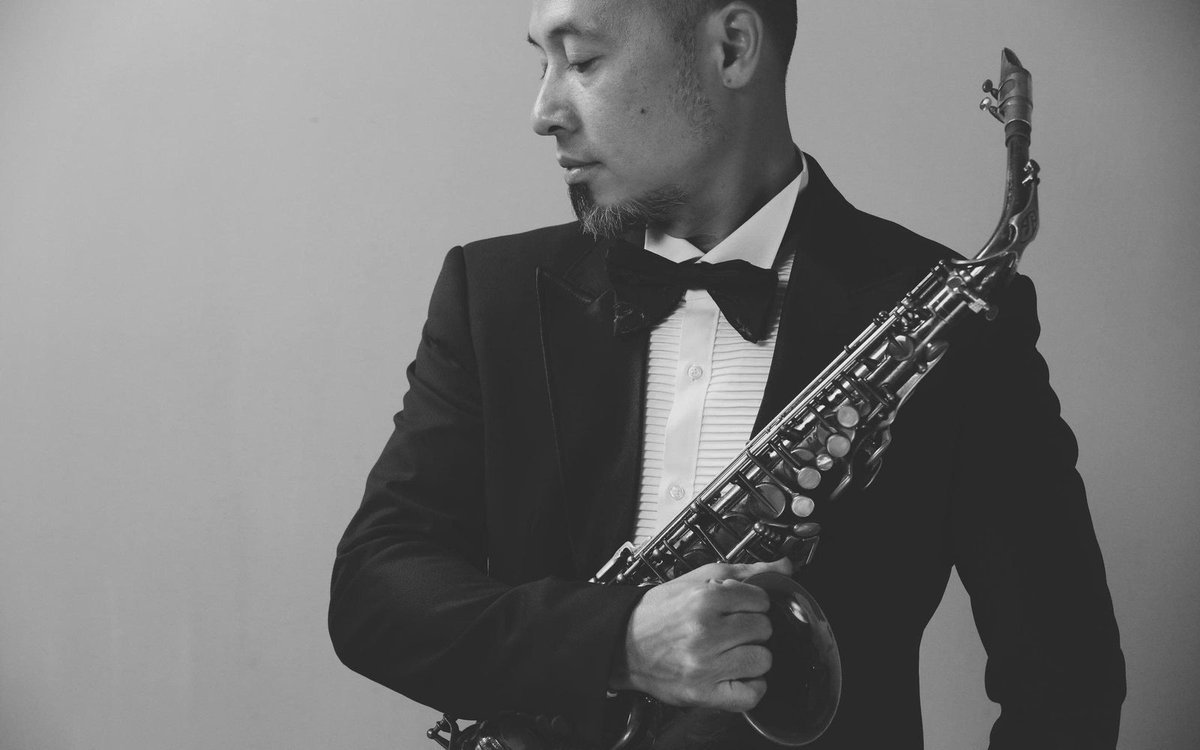
Why does your tone sound thin and rough even when every note is right? How to fix saxophone tone at the source — subtone, long tones, embouchure — and find a colour of your own.
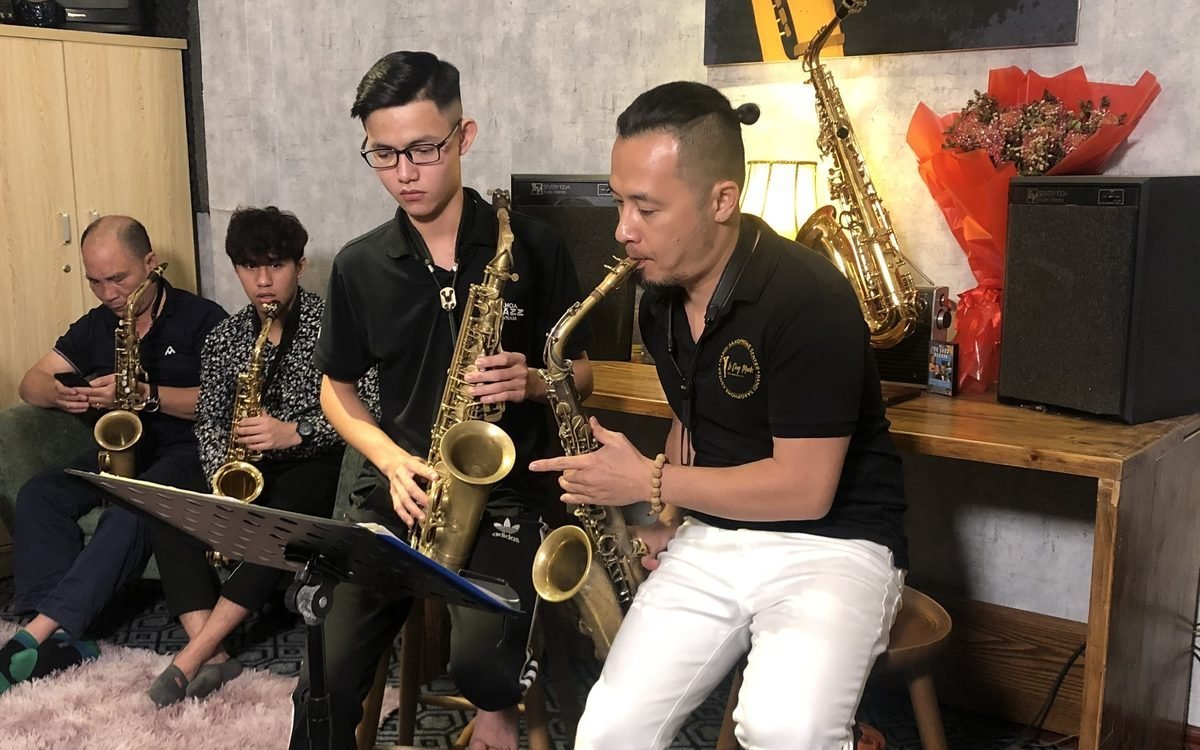
Which saxophone reed strength suits a beginner? What the numbers mean, how to tell a reed is too hard or too soft, and how to rotate and store reeds properly.