Vietnamese folk songs on jazz saxophone: from “Lý ngựa ô” to “Sương bản”
“Lý ngựa ô” with the đàn bầu in Malmö in 2024; “Sương bản”, his own piece about mist over the north-western highlands, in Copenhagen in 2026. Lê Duy Mạnh on bringing Vietnamese folk song into jazz.
Two lines of text filled the screen behind the stage. In Vietnamese: “Hoà tấu nhạc Jazz – Sương bản. Sáng tác: Lê Duy Mạnh”. Beneath it, in English: “Mist over the Mountain Village”. On the evening of 20 October 2026 in Copenhagen, the second item of the Friendship Concert marking 55 years of diplomatic relations between Vietnam and Denmark was a piece from the north-western highlands of Vietnam, written for saxophone.
That piece is where a long road of his has led: bringing Vietnamese folk song into jazz.
An instrument born in Belgium
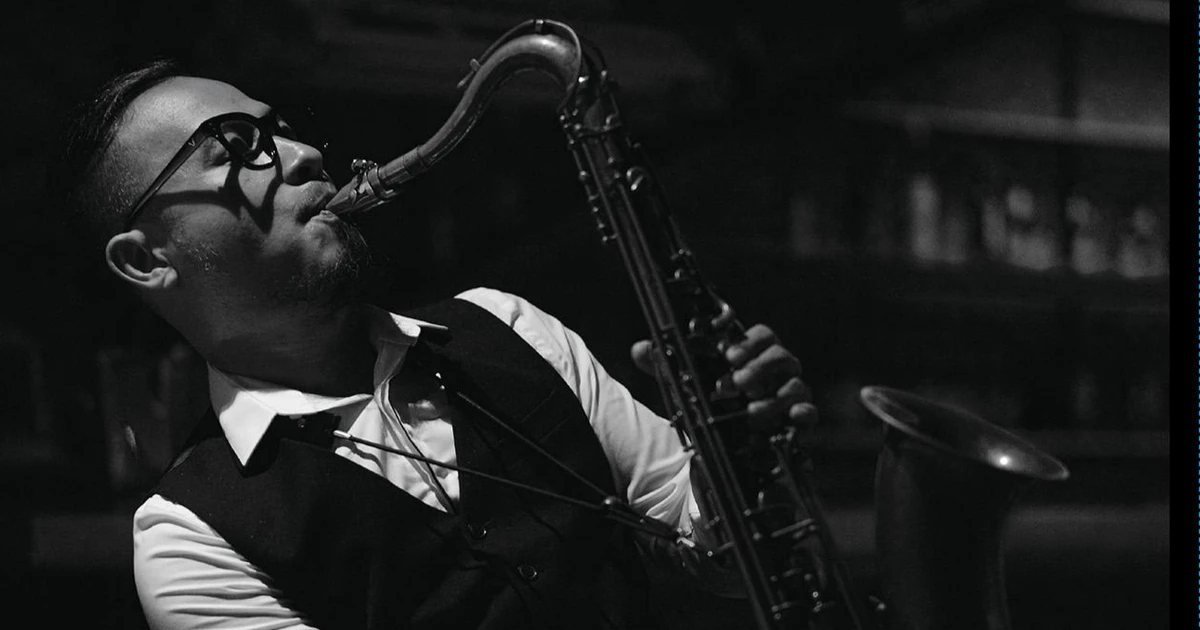
The saxophone is a young instrument. Adolphe Sax, a Belgian, patented it in 1846. In December 2019, after wanting to for years, Lê Duy Mạnh finally made it to Dinant, Adolphe Sax’s home town, where the small museum Mr Sax’s House keeps some of the earliest saxophones.
The instrument grew up with jazz in America and travelled the world. Vietnamese folk song is far older than it. Putting the two together does not happen by itself – it takes someone to arrange it.
“Lý ngựa ô” beside the đàn bầu
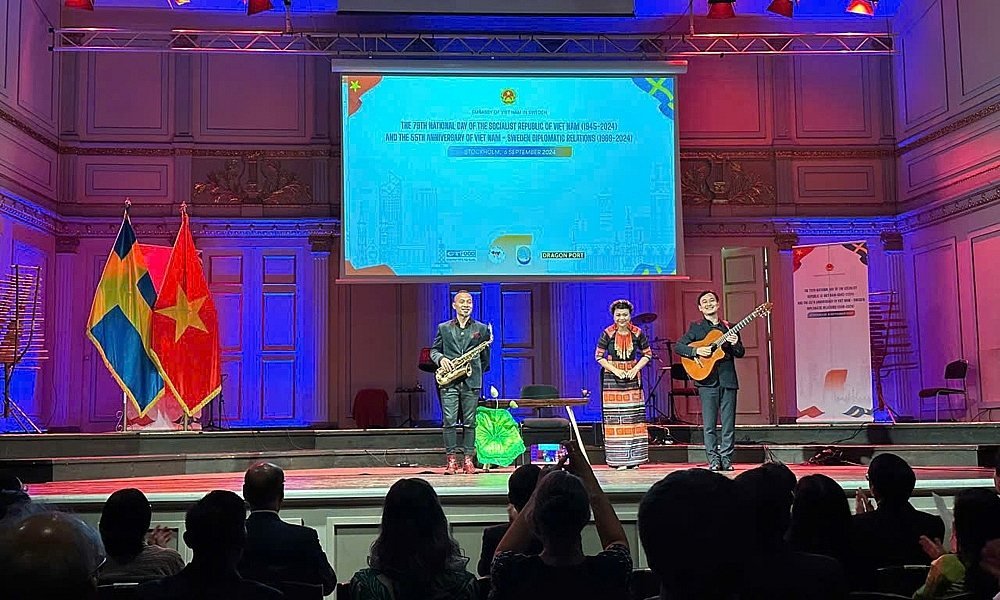
In September 2024, during Vietnamese Culture Week in Sweden and Denmark, he played at Musikaliska Kvarteret in Stockholm, at the Malmö Academy of Music – where he had once studied – and at Sølyst in Klampenborg, outside Copenhagen.
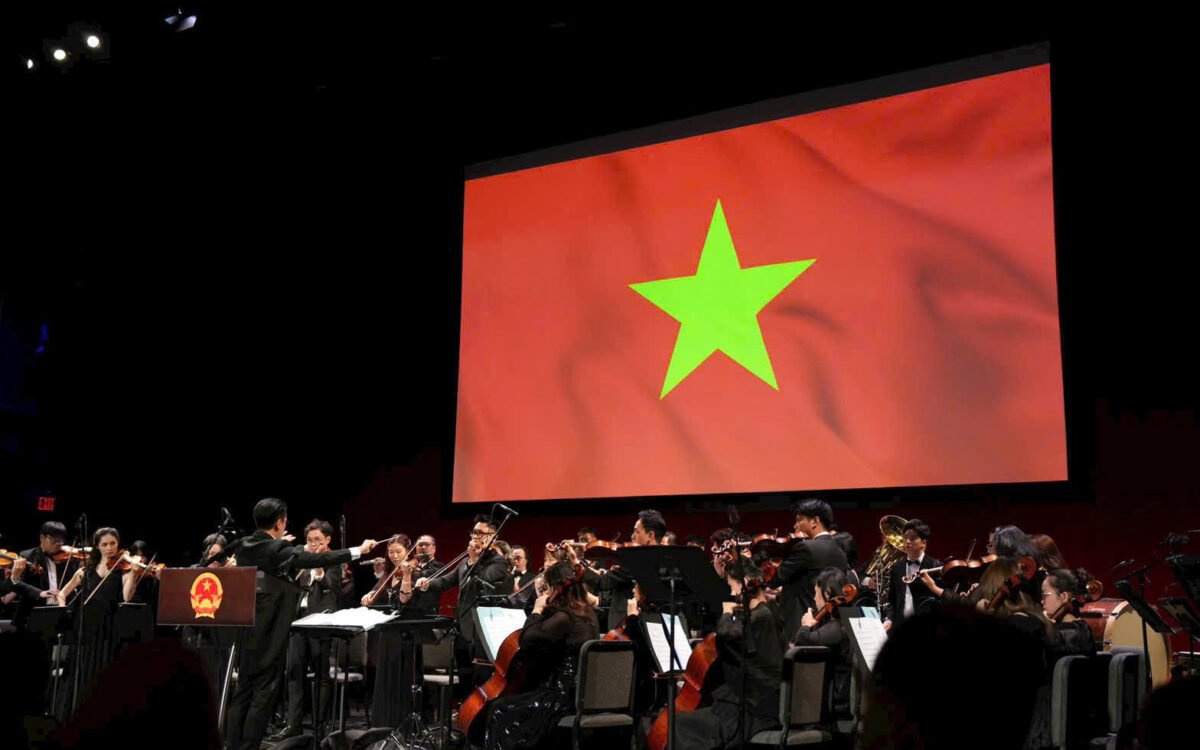
The programme included “Lý ngựa ô”, which he arranged in a jazz style himself and played with Ngô Trà My on the đàn bầu (the Vietnamese one-string zither) and Lương Xuân Thịnh on guitar. There was “Chiếc khăn Piêu” with the traditional orchestra of the Vietnam National Academy of Music. And there was “Vem kan segla”, a Swedish folk song, which he played with teachers and musicians of the Malmö Academy.
Audiences abroad, he says, “listened spellbound”, then wanted to understand how a traditional instrument could stand beside a Western one like that.
Why folk song suits the saxophone
Most Vietnamese folk song is built on five-note modes. The singing line is full of slides and ornaments, notes that bend up and down like a voice. A saxophone can do those things: the player can shape pitch with the lips, glide from one note to the next, and move from a whisper to full power.
For anyone learning the instrument, a folk melody you have known since childhood is also excellent ear training. You already know how it should sound, so the moment you play a note out of place, your ear catches it.
Lê Duy Mạnh sees it at another level. “Folk music, in the end, is the ‘deep floor’ of every nation’s soul,” he said after the 2024 tour. Set over traditional music, he says, jazz becomes closer to listeners and more contemporary; and traditional music becomes fresher and more colourful.
From arranging to composing
The idea is not new for him. In 2019, launching the music video “Hello Việt Nam”, he was already talking about a saxophone album drawing on the music of Vietnam’s north, centre and south. In 2023, on tour in Austria and Italy, he shared programmes with the đàn bầu of Meritorious Artist Lệ Giang and the đàn T’rưng (bamboo xylophone) of Meritorious Artist Hoa Đăng.
By Copenhagen in 2026 he was no longer arranging someone else’s song. “Sương bản” is his own composition, inspired by the north-western highlands. The same programme included Danish folk song, a Chopin mazurka, music by Michael Møller, and Vietnamese folk tunes such as “Thả lái buông chèo”, “Bèo dạt mây trôi” and “Hoa thơm bướm lượn”. King Frederik X and Queen Mary were in the audience.
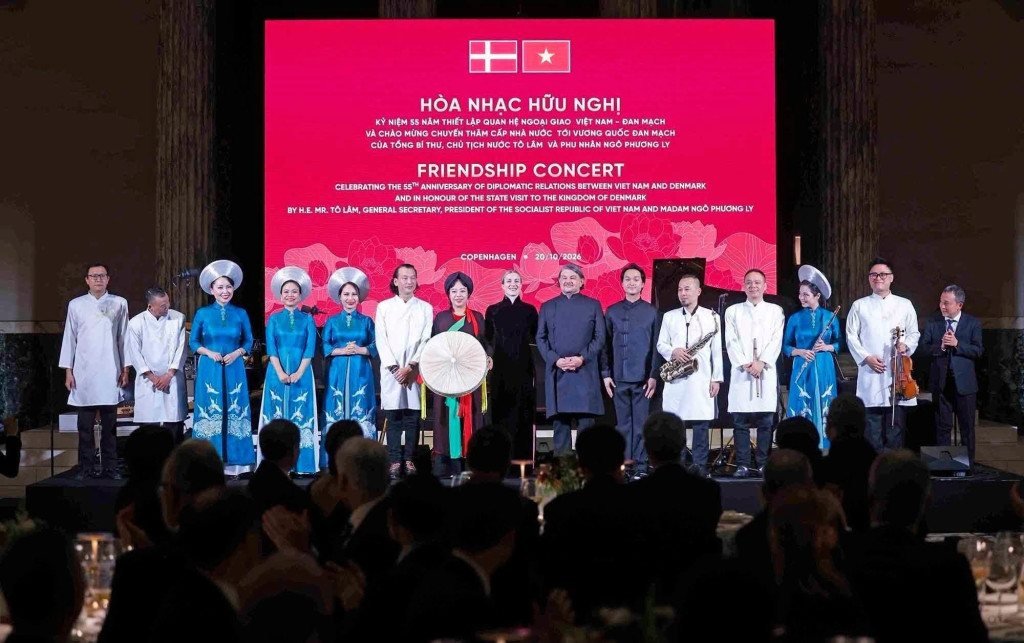
From “Lý ngựa ô” in Malmö to “Sương bản” in Copenhagen took two years. In between lies a small but difficult step: from replaying the songs of earlier generations to writing his own out of the same material. Perhaps that is how an instrument born in Belgium learns to speak Vietnamese – starting with a folk song, and arriving at a mist over a mountain village.
More about the concert on the Vietnam–Denmark Friendship Concert in Copenhagen page.
Retold from press coverage: Báo Xây dựng, CafeF, Thanh Niên Việt, VTV 2020, VTV 2023, Dân trí. Photos credited in each caption.