What learning music does for a child’s character
Learned the right way, music teaches a child to listen, to wait, to keep to a routine and to express what they feel — a teacher’s view on music and character.
Music does not change a child after a few lessons. But at the right pace and in the right way, exposure to music can contribute a great deal to how a character forms: learning to listen, to wait, to keep to a routine, to express feeling and to work with other people. It is why many parents look for music lessons not only so their child can play an instrument, but so they grow up steadier inside.
Music teaches a child to listen
One of the clearest changes when a child starts learning music is their listening. They are not only hearing sounds around them; they learn to hear the difference between right and not-quite-right, fast and slow, loud and soft, in time and out of it. For a young child that is an important foundation for communication, for schoolwork and for concentration later on.
Learning music means listening to the teacher’s instruction, listening to the beat, listening to their own part and sometimes listening to somebody else in order to fit in. None of these come from theory; they form gradually through regular practice. In everyday life, parents often notice a child who waits for other people to finish a sentence, who pays attention when reminded of something, and who is a little less hasty than before.
Patience and self-regulation
Music is a process of repetition. A phrase not quite shaped, an entry a beat out, a note not quite in tune — each needs doing again, several times. That chain of small but regular tasks is what builds patience. The child comes to understand that doing something well cannot be rushed; it has to be taken step by step.
In terms of skills, learning music is also bound up with controlling one’s own behaviour, remembering instructions, and moving flexibly between different demands within a lesson. Put more plainly: the child practises regulating themselves — going step by step, in order, and not giving up too soon.
So what many parents actually want from music lessons is not only that their child can play, but that they can wait their turn, follow a sequence, and stay calm when something is difficult.
Confidence of a durable kind
Music can make a child more confident, and what is worth saying is that this confidence usually comes from real experience. When a child produces their first sound, holds a steadier beat than last week, or finishes a passage that used to defeat them, the feeling of “I tried and I did it” appears entirely naturally.
That is a far more durable kind of confidence than being over-praised or pushed on stage before they are ready. A child does not need to be good immediately in order to see that they are improving. Given a suitable environment, teaching pitched at the right level, and adults who notice the right things, music can be a very good road towards self-belief.
A healthier way to express feeling
Not every child finds it easy to say what they feel. Some are outgoing, some shy, some quick to frustration or slow to settle. Music opens a way of expressing themselves that is not words. A child can be cheerful, nervous, forceful or gentle through how they sing, how they keep the beat, how they hold a phrase, how they respond to sound.
In practice, a music lesson is a good setting for a child to recognise what they feel, express it, and regulate it in a healthier direction. Children change at different speeds, but music still creates a safe space to show something of themselves without being pushed too early.
Cooperation forms naturally
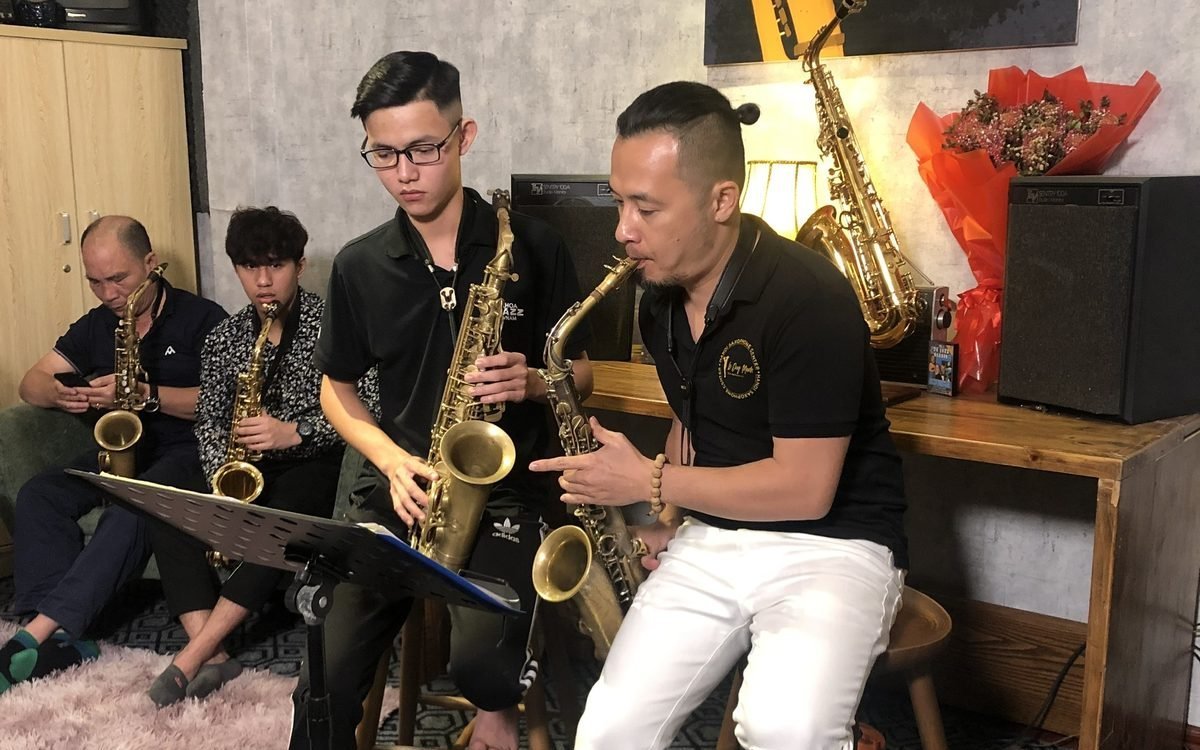
Playing music with other people teaches a child early on that they are not the centre of the piece. To fit in, they have to come in at the right moment, wait, listen, and hold their own role within the group. In group lessons, ensemble playing or practising time together, cooperation is built very naturally.
Musical activities with group interaction also tend to encourage positive social behaviour: cooperating, empathising, being willing to help. That is a valuable thing, particularly while a child is learning to live alongside family, friends and school.
What matters most: do not push for results too early
Music is good for a child’s character, but that only really works when the adults walk alongside them properly. If learning becomes pressure — recitals, exams, comparison with other children — the best of what music offers is much reduced.
Every child develops at their own pace. Some absorb things very quickly; others need longer to get used to the sound, the rhythm or the instrument. For a young child, what matters is not how many pieces they can play in a short time, but that their interest survives, that they feel safe, and that the habit of regular practice takes hold.
Parents can help in very simple ways:
- Choose a route suited to the child’s age and attention span.
- Favour regularity over cramming.
- Praise specific effort rather than praising in general.
- Do not compare the child with friends or siblings.
- Give them time to settle before setting any goal about performing.
Where should a child start?
For many families the first step is not choosing a difficult instrument or setting a big goal, but watching how the child responds to sound, to rhythm and to being taught. Some children are best starting with singing, listening or rhythm work. Older children can gradually get to know a specific instrument.
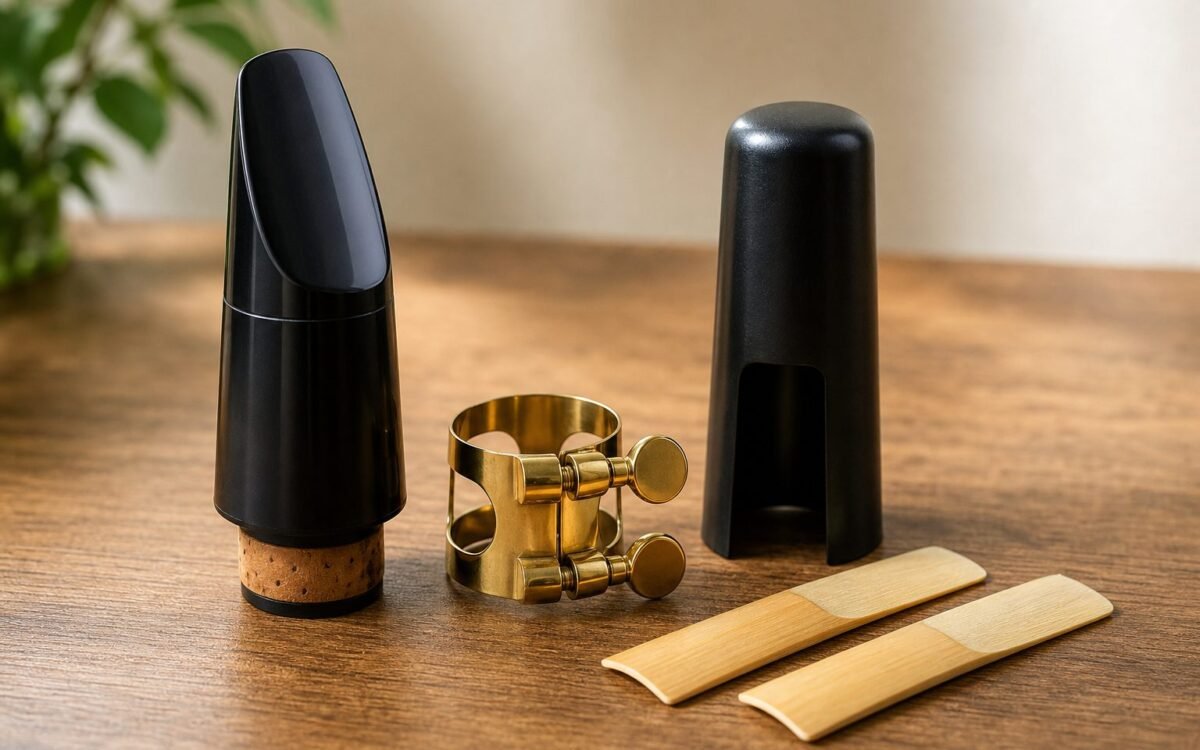
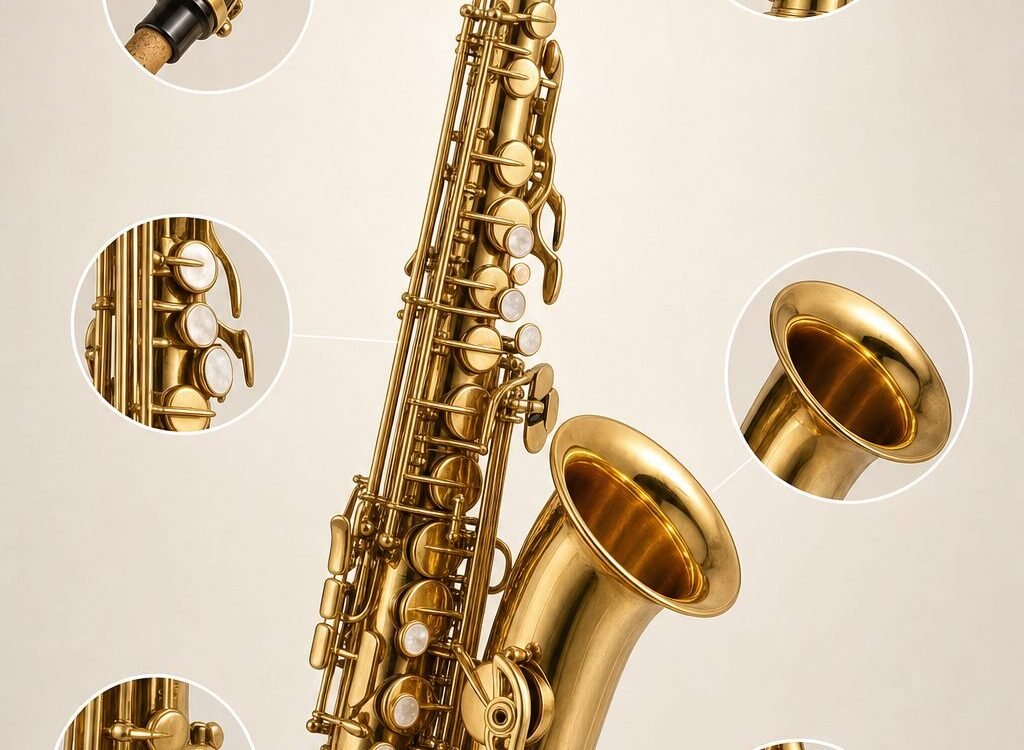
If you are thinking about music lessons for a child and want a direction that fits, being advised on an individual route helps avoid both overload and a mismatched start. With a wind instrument such as the saxophone this matters all the more, because a child needs correct guidance on breathing, posture and how to approach it step by step.
In conclusion
What music does for a child’s character is not fast results but small, durable changes: listening, patience, self-regulation, cooperation, and expressing feeling in a healthier way. Those stay with a child for a long time — not only in the music room, but in school and in life.
If you are considering music lessons for your child and want a route suited to their age, character and ability, you are welcome to get in touch to talk it through.